Unhealthy Eating Habits
Healthy Diets You Can Follow!

Ketogenic Diet
The ketogenic diet is characterized by its high fat and low carbohydrate content, replacing carbs with healthy fats. Typically, it entails minimal carbohydrate intake alongside a variety of meats. This dietary approach induces a metabolic state known as “ketosis,” wherein the body utilizes fat for energy instead of carbohydrates. During ketosis, fats are metabolized into ketones by the liver, providing energy for the brain. The standard ketogenic diet comprises 70% fat, 20% protein and 10% carbohydrates.

Intermittent Fasting
Intermittent fasting entails a structured pattern of alternating between periods of eating and fasting throughout the day. While it doesn’t necessarily impose restrictions on food choices, it yields greater benefits when combined with mindful eating habits. A common approach is the 16/8 method, where we fast for 16 hours and consume food within an 8-hour window. Typically, eating occurs between 12-8 pm, followed by a 16-hour fast. This method is often employed for weight management, enabling us to regulate our food intake over time. The fasting regimen also modulates hormone levels which facilitates weight loss. Research conducted in 2014 indicates that individuals practicing intermittent fasting for 3-14 weeks experienced a weight reduction of 3-8% and a decrease in waist circumference by 4-7%.

Cut Down Sugar and Carbohydrates
Reducing sugar and carbohydrate intake not only promotes weight loss but also offers significant health advantages. Studies have demonstrated that overconsumption of sugar can alter taste perceptions, contribute to obesity, destabilize blood sugar levels, induce stress and depression and increase the risk of chronic diseases. Carbohydrates can be substituted with healthier options such as fats or fiber. While carbohydrates are essential for the body, it’s crucial to opt for nutrient-rich sources. Consuming empty-calorie carbohydrates devoid of nutritional value can lead to weight gain and elevate disease risks. Therefore, minimizing carbohydrate intake and selecting healthier alternatives such as whole grain flour, brown rice, whole grain bread, whole wheat noodles, and other nutritious carbohydrate sources is recommended. By reducing carbohydrate consumption, individuals can achieve weight loss and mitigate the risk of chronic diseases and obesity.
How Do I Change My Eating Habits?

Stop Consuming Processed Foods
Processed foods include all canned goods, packaged snacks (such as chips and sweets), frozen meals, packaged baked goods, convenience foods (like instant noodles and pre-packaged meals), processed meats (including bacon and sausages), sugary drinks, and condiments and sauces. Processed foods are often low in nutrients due to their high content of unhealthy fats, added sugars, and sodium. Additionally, they contain additives and preservatives to enhance flavor, texture, and shelf life. These components in processed foods are associated with an increased risk of chronic diseases such as certain cancers, heart disease, type 2 diabetes, stroke, and more. Incorporating processed foods into your daily diet offers no added benefit to your overall health.
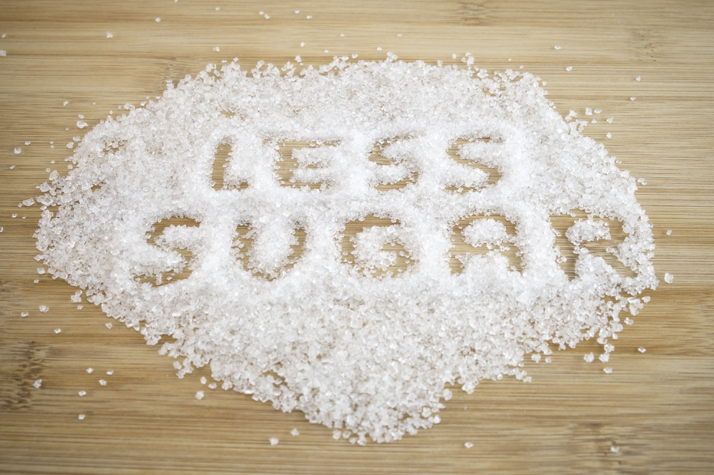
Decrease Consumption of Any Form of Sugar
Avoiding sugar can be challenging, as it is present in nearly every meal we consume. It is crucial to make conscious efforts to stay clear of sugar in any form. For instance, modified sugars which are often labeled as “zero sugar,” commonly found in packaged beverages. The most concerning forms of sugar is high fructose corn syrup, frequently found in boxed drinks such as juice, soda, tea, and energy drinks. Despite providing energy, sugar lacks essential nutrients and is solely comprised of calories. While it triggers dopamine release, inducing feelings of happiness, this effect is short-lived, leading to cravings for more sugar, particularly noticeable in younger children. Excessive sugar intake can result in fat accumulation in the body, potentially leading to conditions like fatty liver and obesity.

Portion Control
Pay attention to portion sizes by making sure that oversized servings are avoided. Ensure that your portion also includes all nutritious components that are needed; fiber, protein, whole grain and vegetables. Controlling portion sizes helps prevent overeating by encouraging mindful eating habits. It also helps maintain calorie intake which is crucial for maintaining a healthy body weight. Proper portion control with a balanced nutrition intake ensures that your body is provided nutrients that boost optimal health. It also helps regulate blood sugar levels and promotes digestive health.
Choose Whole Grains and Healthy Fats
Replace food with refined grains like white rice and normal bread with whole grains like brown rice, quinoa, oats, whole wheat bread and pasta. These whole grain foods are high in fiber and nutrients which can help with digestive health and stabilising blood sugar levels. Choosing healthy fats such as avocados, seeds, nuts, olive oil, and salmon is important for our brain health, heart, and overall well-being.


Plan and Prepare Meals
Planning meals help to make thoughtful choices about what food to include in our diet. By portioning out meals it also encourages portion control, where you already limit yourself to how much you are going to eat for one meal. Meal planning also allows you to incorporate a lot of variety so your menus do not get repetitive. Meal prepping also saves time throughout the week where you just need to prepare in one day and can reheat food for the rest of the week. Consistently eating nutritious meals that are planned and prepared in advance can help you establish healthy eating habits over time.
Stay Hydrated
Drink plenty of water to stay hydrated throughout the day. Avoid and limit yourself from drinking sugary drinks and soda on a daily bases, rather go for water, infused water, or herbal tea. Staying hydrated is important as water is essential for nearly every bodily function, including digestion, circulation, nutrient absorption, temperature regulation, and waste removal. Dehydration can impair cognitive functions of the memory, concentration, and mood. Water supports kidney function and lubricate joints and tissues in our body. Not only that, proper hydration also helps us maintain healthy skin as it supports our body’s detoxification process.